Expense or Investment? How Much Can a Homeowners’ Association Really Save with a Ventilated Façade?

When a homeowners’ association or a developer considers renewing a building’s envelope, the initial economic impact is usually the main deterrent. However, focusing on this project solely as an expense is an error of perspective. The technical and financial reality proves that it is, in fact, a highly profitable investment. Discover why choosing a high-performance ceramic cladding solution can dramatically increase your building’s asset value, reduce energy costs and improve occupant comfort.
The Building Envelope: The Ultimate Shield Against Energy Waste
There is a basic premise in sustainable architecture: reducing emissions means not emitting, and the best way to save energy is simply not to consume it. To achieve this, the envelope is a building’s first barrier to protect itself from external weather, and it is the most decisive factor in reducing its primary energy demand to a minimum. A large part of this demand, used for climate control in homes, is lost through thermal bridges, which are responsible for up to 30% of a building’s energy losses.
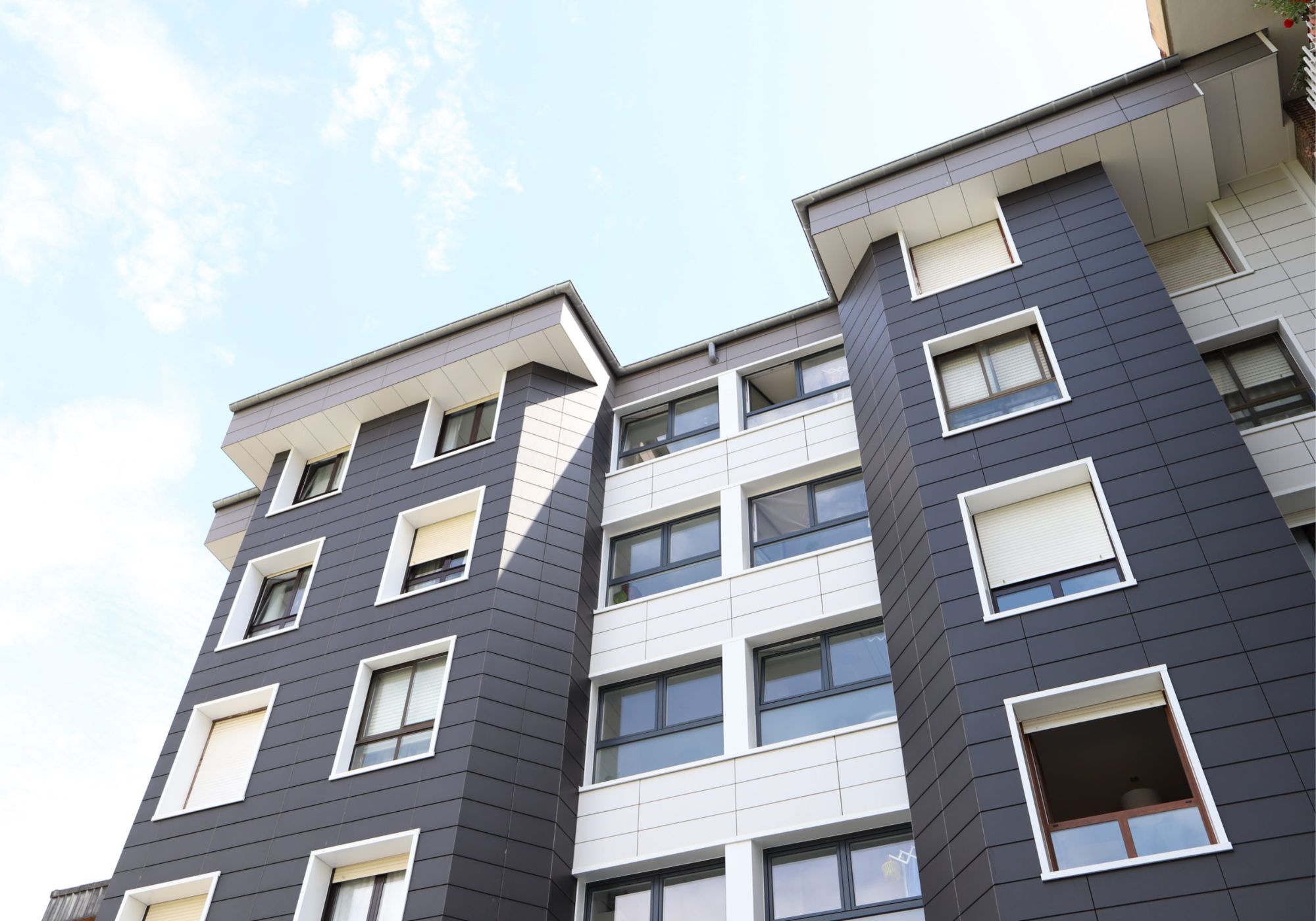
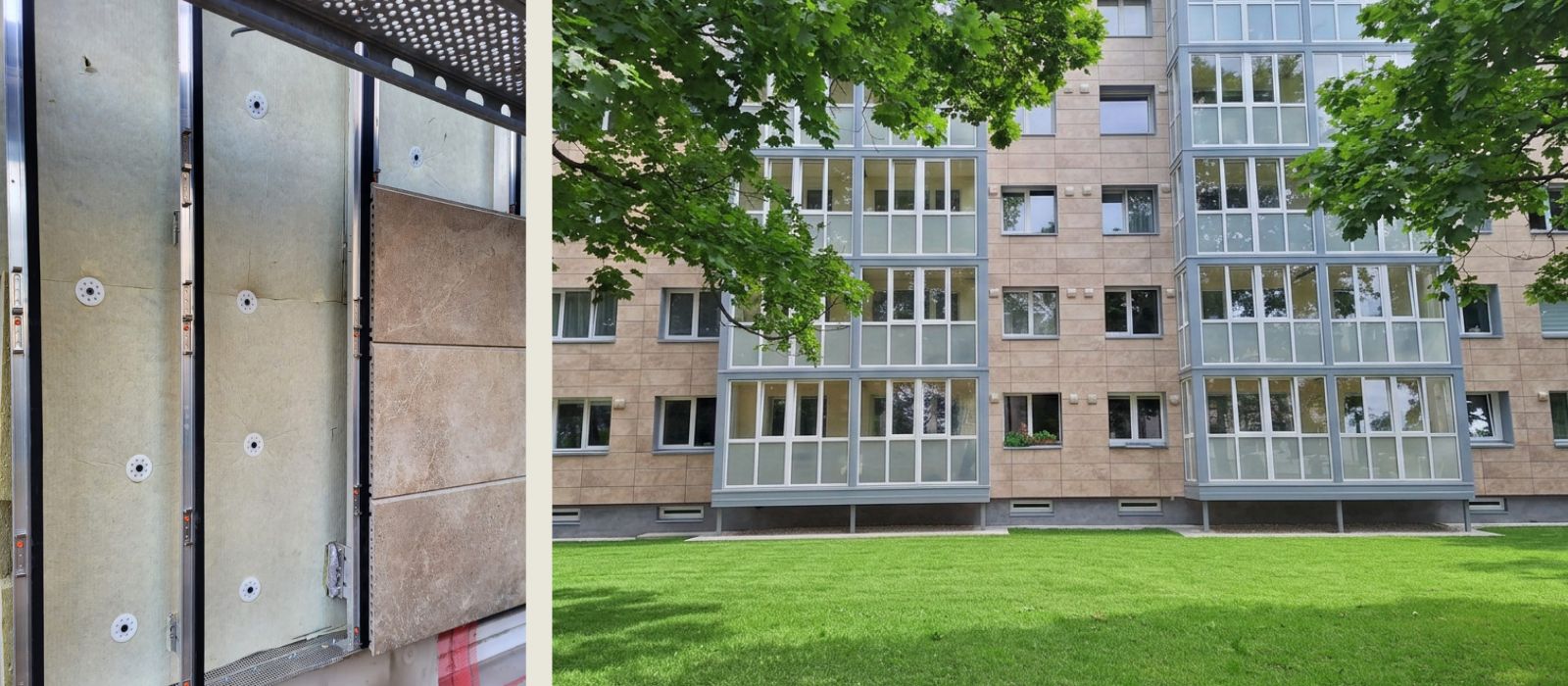
By installing a ventilated façade, you can shield and eliminate these thermal bridges continuously, drastically increasing the thermal resistance of the entire construction. Thanks to this air cavity, which is constantly ventilated by the chimney effect, the savings data are definitive:
- In new-build projects: energy savings reach a solid 30%.
- In building renovation projects: the reduction in consumption can reach up to 45%.
If the building has a central heating system, the overall savings are outstanding. In the case of individual climate control systems, each resident notices a substantial drop in their monthly bill, amortizing the investment month by month.
Maintenance and Durability: The End of Periodic Assessments
When insulating from the outside, associations usually compare initial budgets, overlooking the system’s life-cycle cost. For example, installing an External Thermal Insulation Composite System (ETICS) or using conventional cladding requires painting and repairing cracks or moisture issues approximately every 10 years.
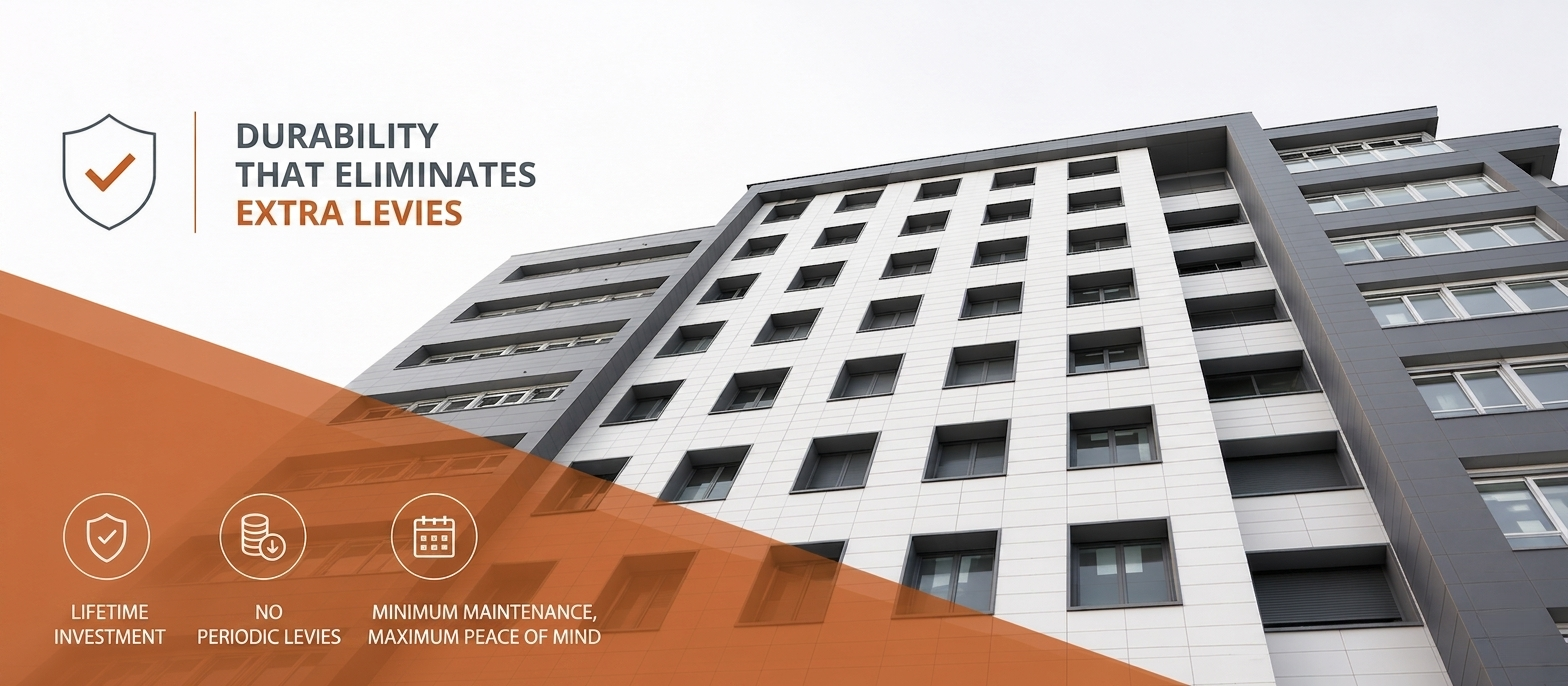
In contrast, installing a ceramic ventilated façade is a lifetime architectural solution. Extruded ceramic is a stable, high-performance material that remains unaffected by UV radiation and harsh weather conditions. Its durability is unmatched by other alternatives:
- Ceramic materials such as porcelain stoneware: exceed a 50-year service life in perfect aesthetic and safety conditions.
- Aluminum, composites or fiber cements: reach between 30 and 40 years.
- Wood-plastic composite (WPC): lasts around 30 years and requires more rigorous maintenance.
Choosing value-added ceramics means eliminating troublesome and costly future maintenance assessments.
True Sustainability: Because the Material Also Matters
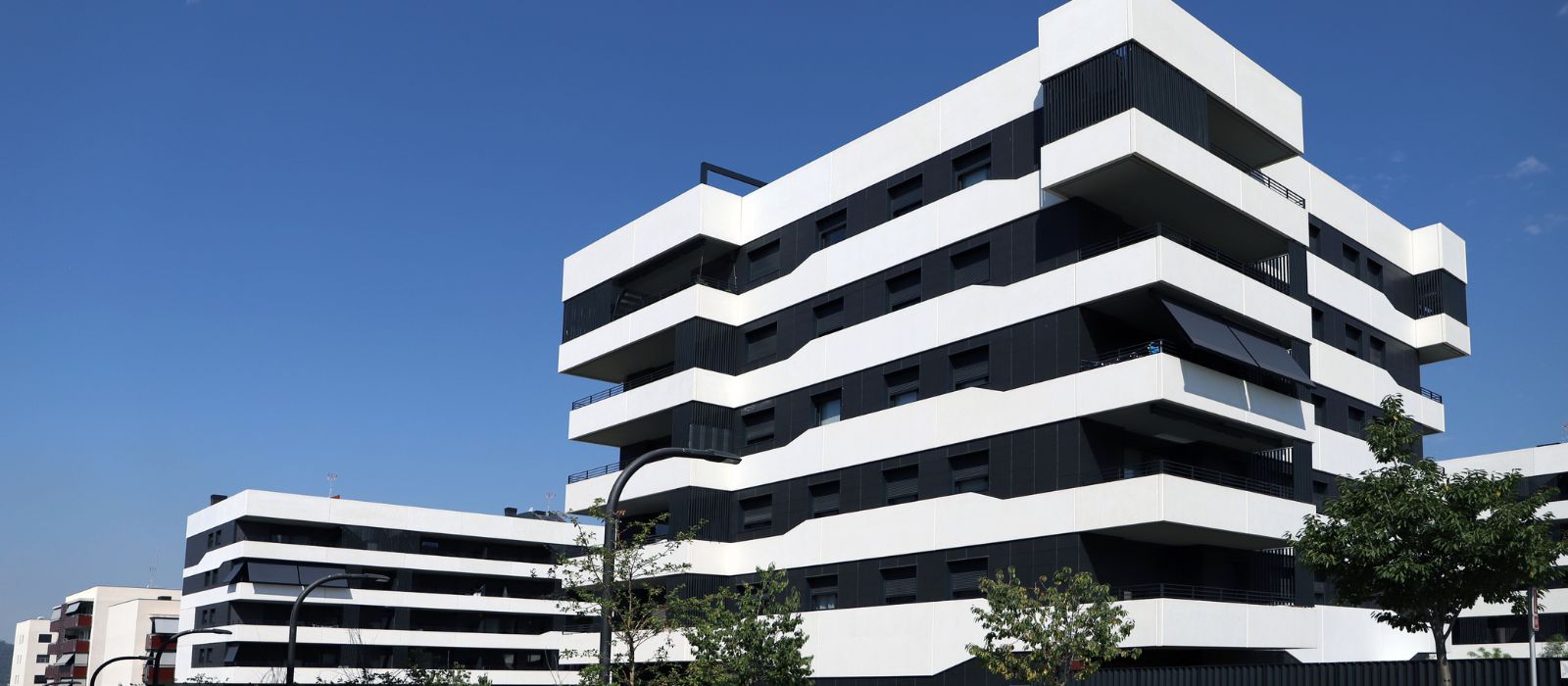
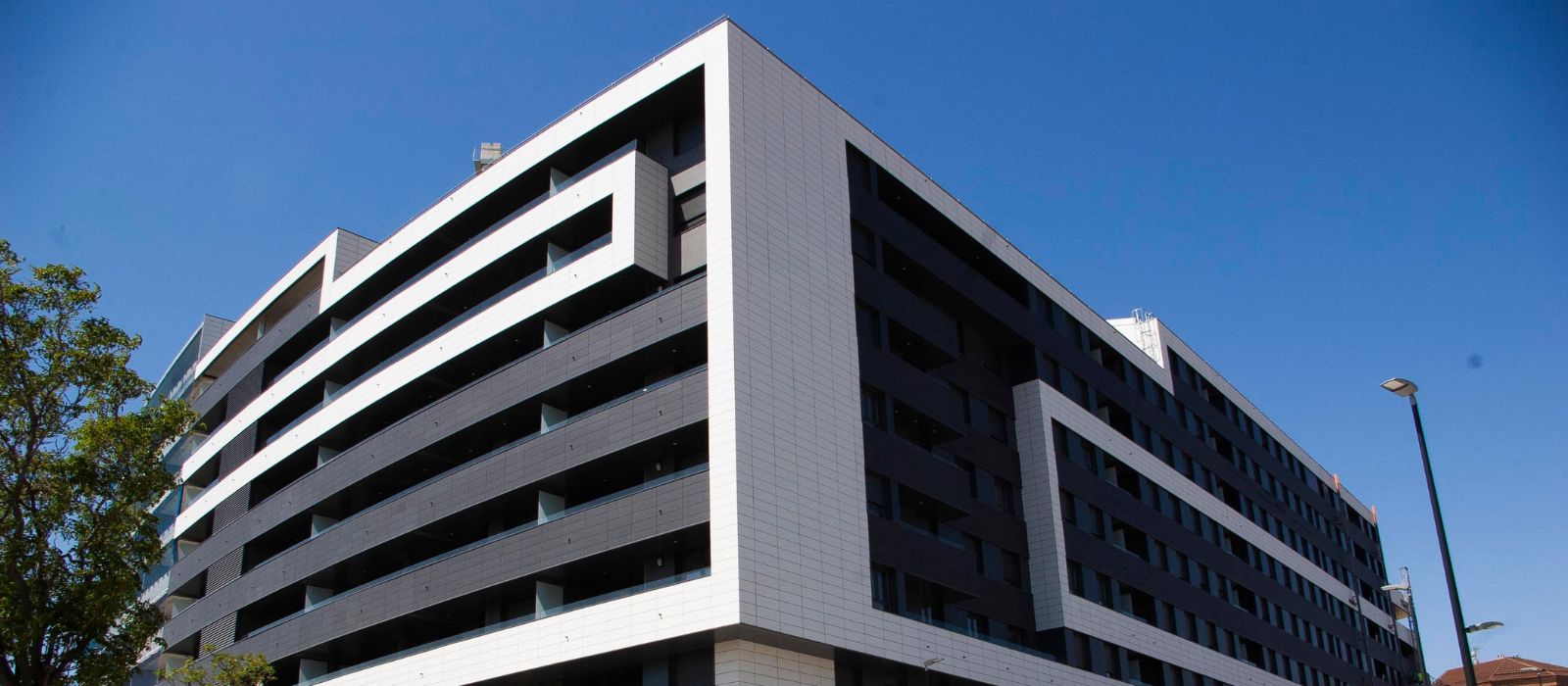
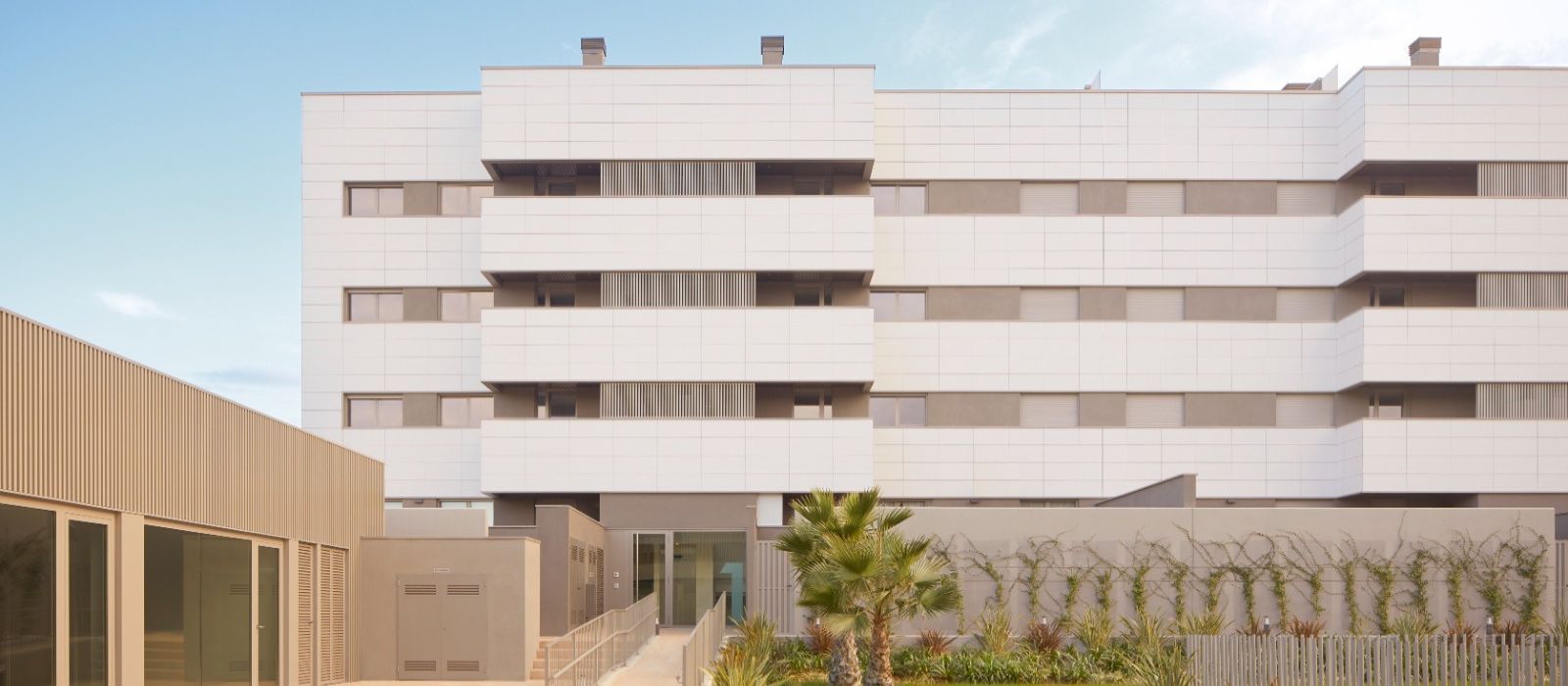
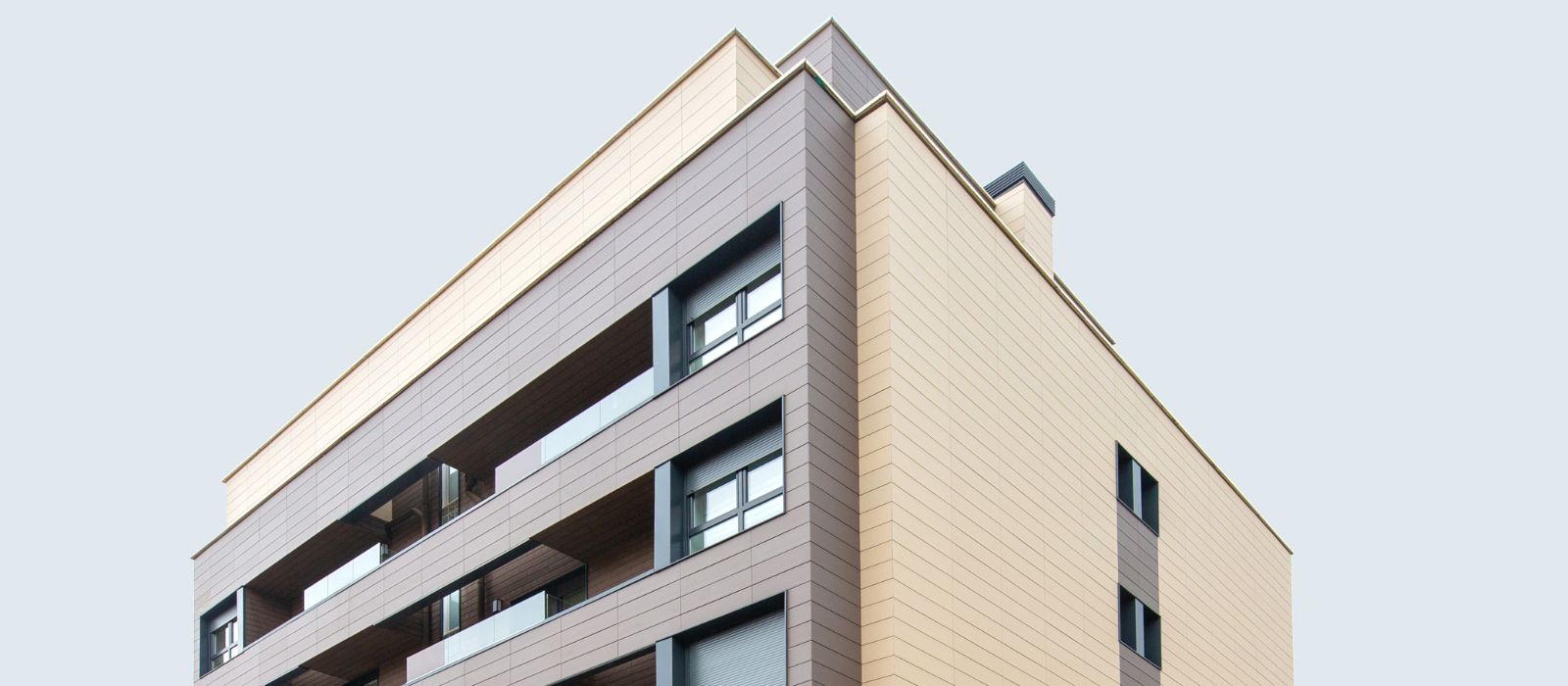
A building is not sustainable only by being efficient in its consumption; the elements that compose it must be as well. The FAVEKER® ventilated façade brings undeniable environmental value to the property:
- Responsible composition: the panels feature up to 52% recycled material in their composition, proving that the way we produce must also be anchored in sustainability.
- Reduction of water footprint: its installation via mechanical fastening is done through dry construction, eliminating waste generated on-site and drastically reducing water consumption during the construction phase.
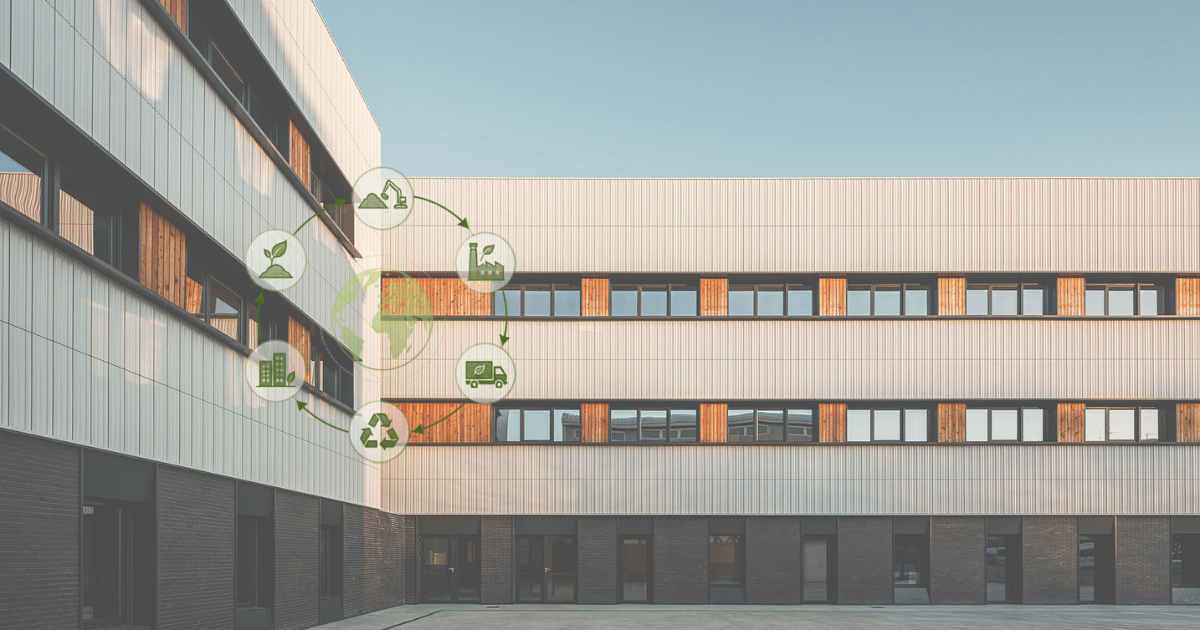
- Circular economy: ceramic is a 100% recyclable material at the end of its long service life, actively contributing to the global reduction of CO₂ emissions and serving as a key piece to help the project reach its zero-emissions building goal.
Revaluation, Regulations and Grants: A Guaranteed Return
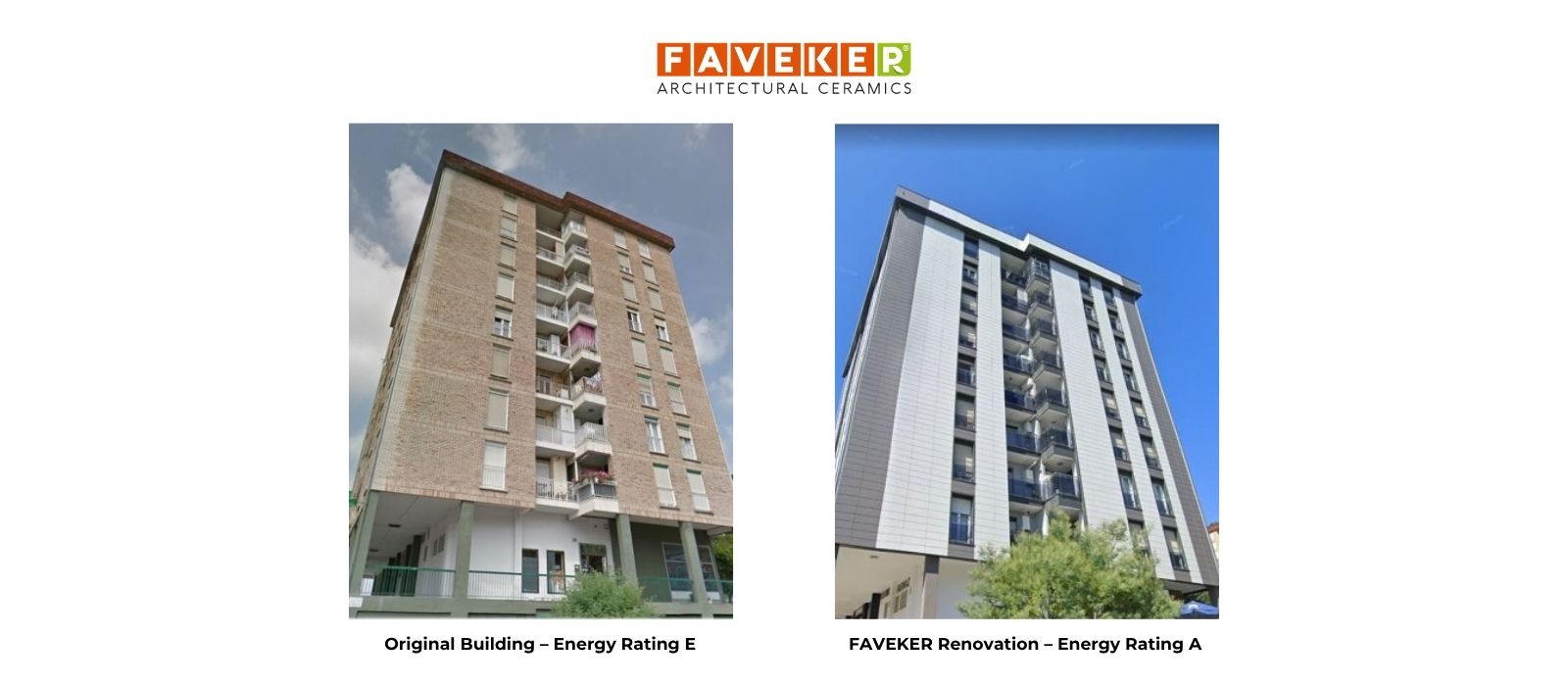
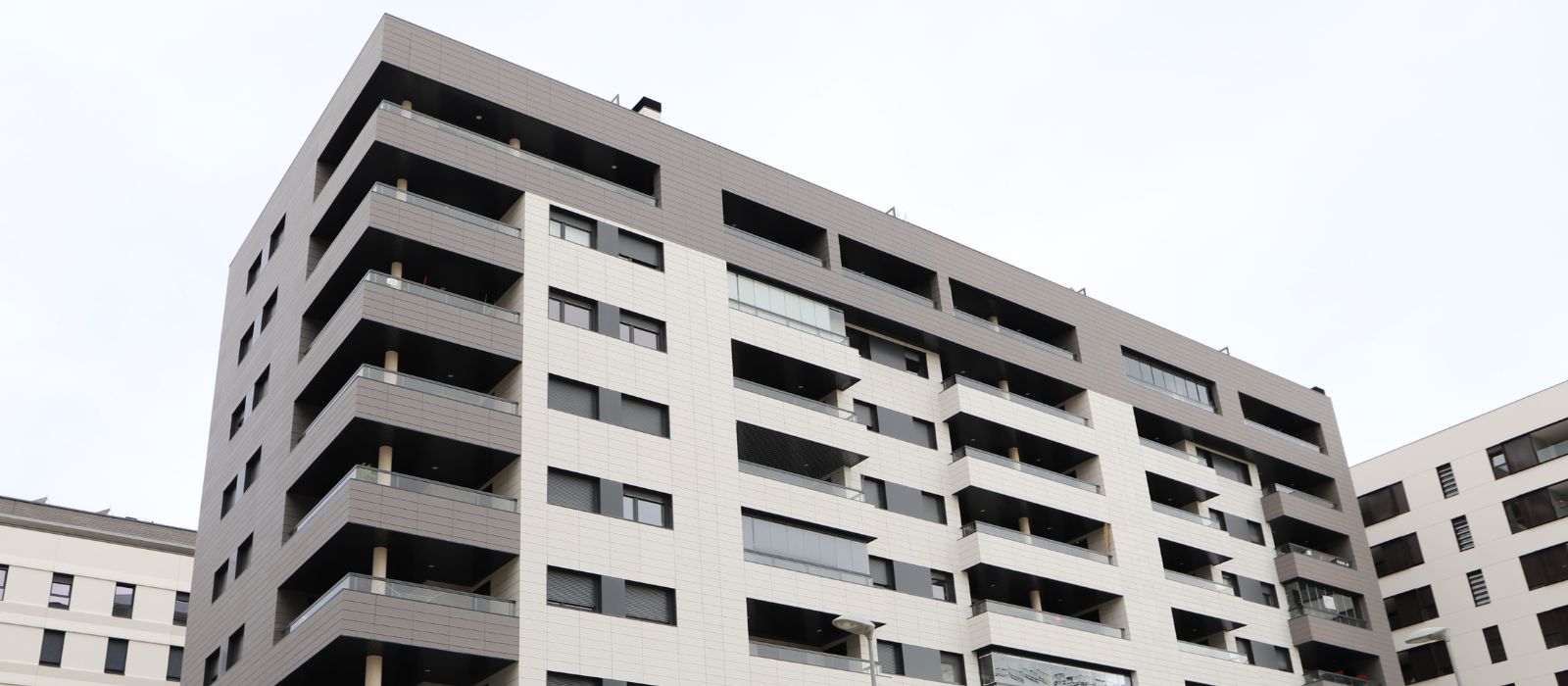
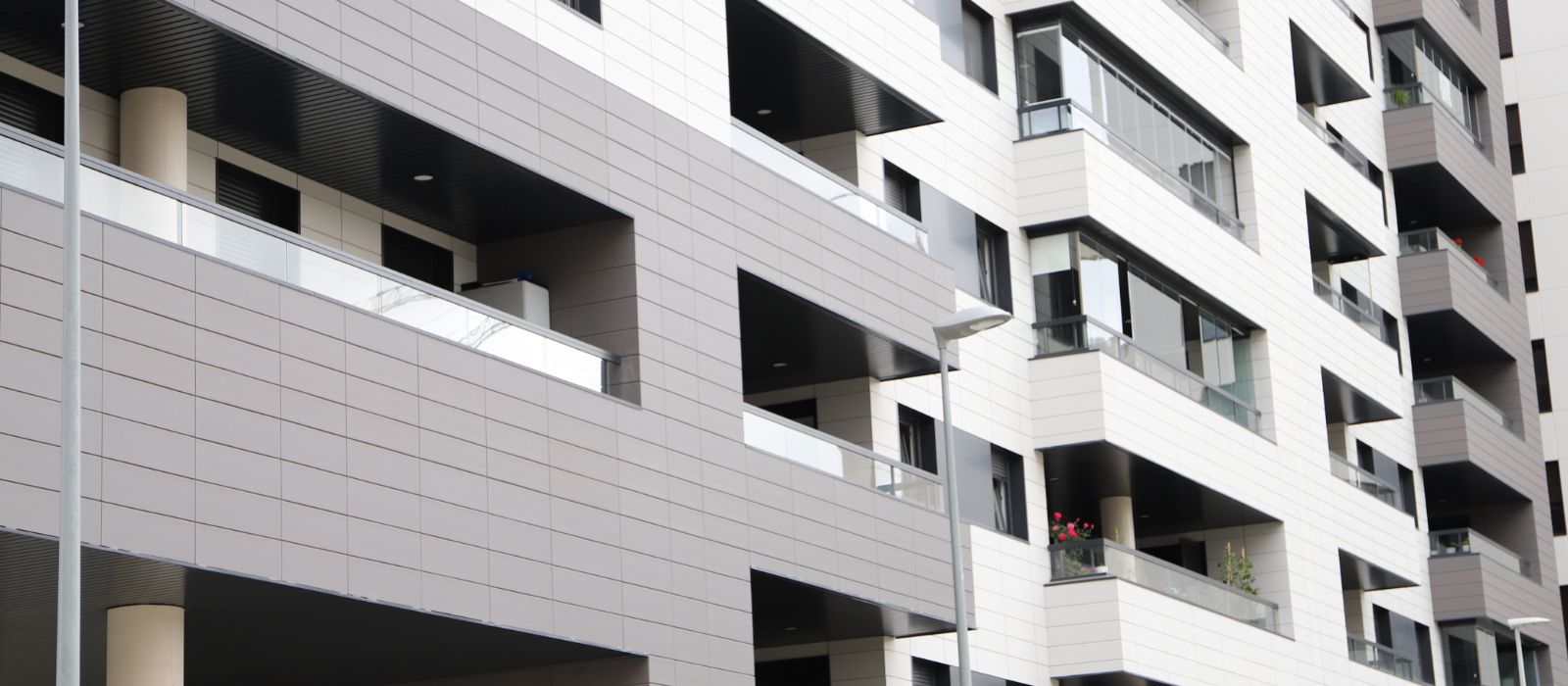
Undertaking this improvement not only saves energy, but also automatically increases the market value of the building and each individual home. In addition, it is a fundamental preventive step to comfortably comply with the demanding insulation and safety standards of the new CTE 2026 (Spanish Technical Building Code). At the European level, the new Directive 2024/1275 will require the renovation of properties with an energy rating below class E by 2030. Acting today avoids emergencies tomorrow and potential penalties.
Added to this is an excellent scenario for renovation grants. Subsidies from NextGenerationEU funds can cover between 40% and 80% of the intervention, accompanied by personal income tax deductions of up to 9,000 euros.
Ceramic Ventilated Façade: An Investment for Today and the Future
Analyzing the drastic reduction in climate control bills, the elimination of maintenance costs, the revaluation of the property and access to European funds, the conclusion is clear: a ceramic ventilated façade is not an expense—it is the most intelligent and secure investment a homeowners’ association can make.
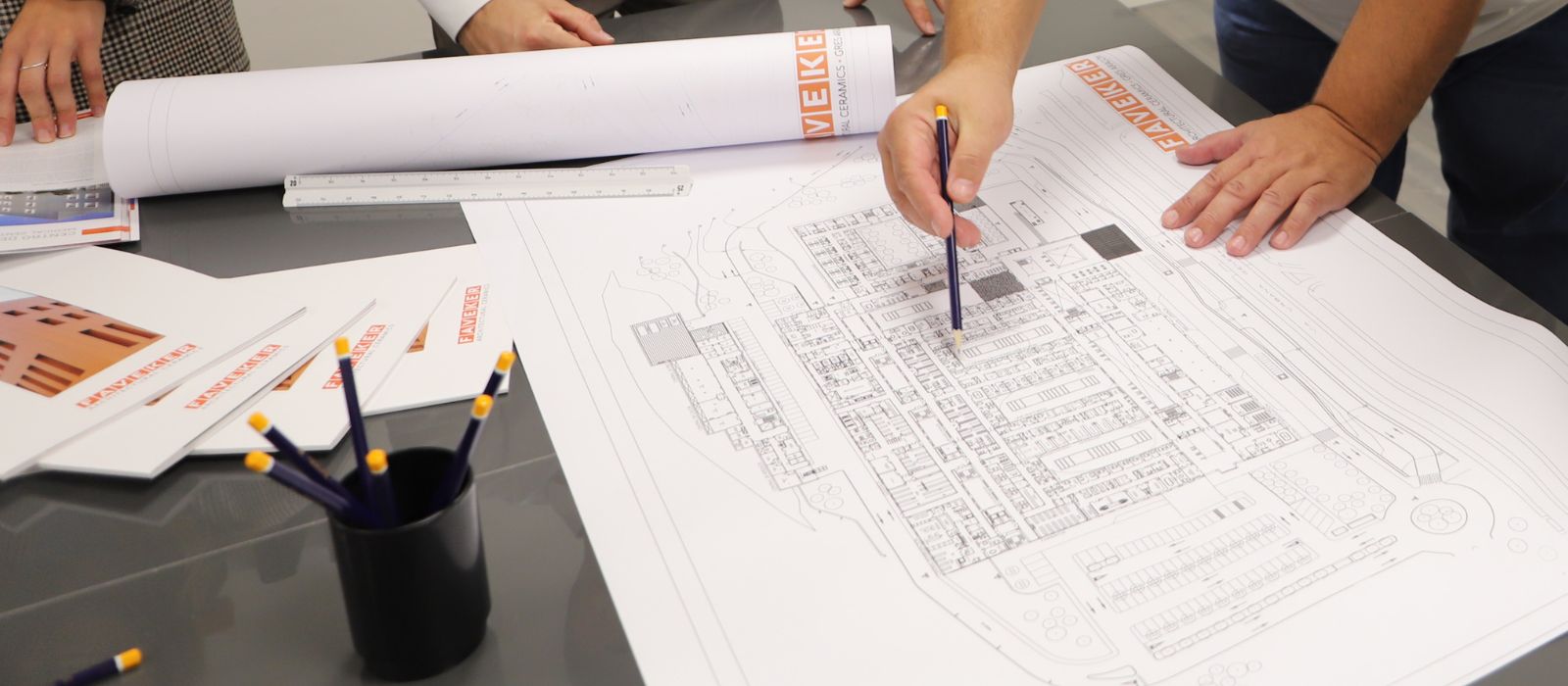
At the FAVEKER® Technical Office, we work alongside architecture firms and homeowners’ associations to analyze the technical feasibility of each project. We invite you to contact our team to discover how to protect your building, increase its asset value and start saving from day one.