Heatwaves and Coastal Corrosion: How to Protect Your Building’s Façade from Extreme Weather

The appeal of living or vacationing by the sea remains as strong as ever. In fact, demand for second homes continues to grow: property transactions increased by 3.3% year-on-year in 2025 across Spain’s Mediterranean coastal provinces, the southern regions and the islands, according to the latest Real Estate Market Indicators published by the Bank of Spain.
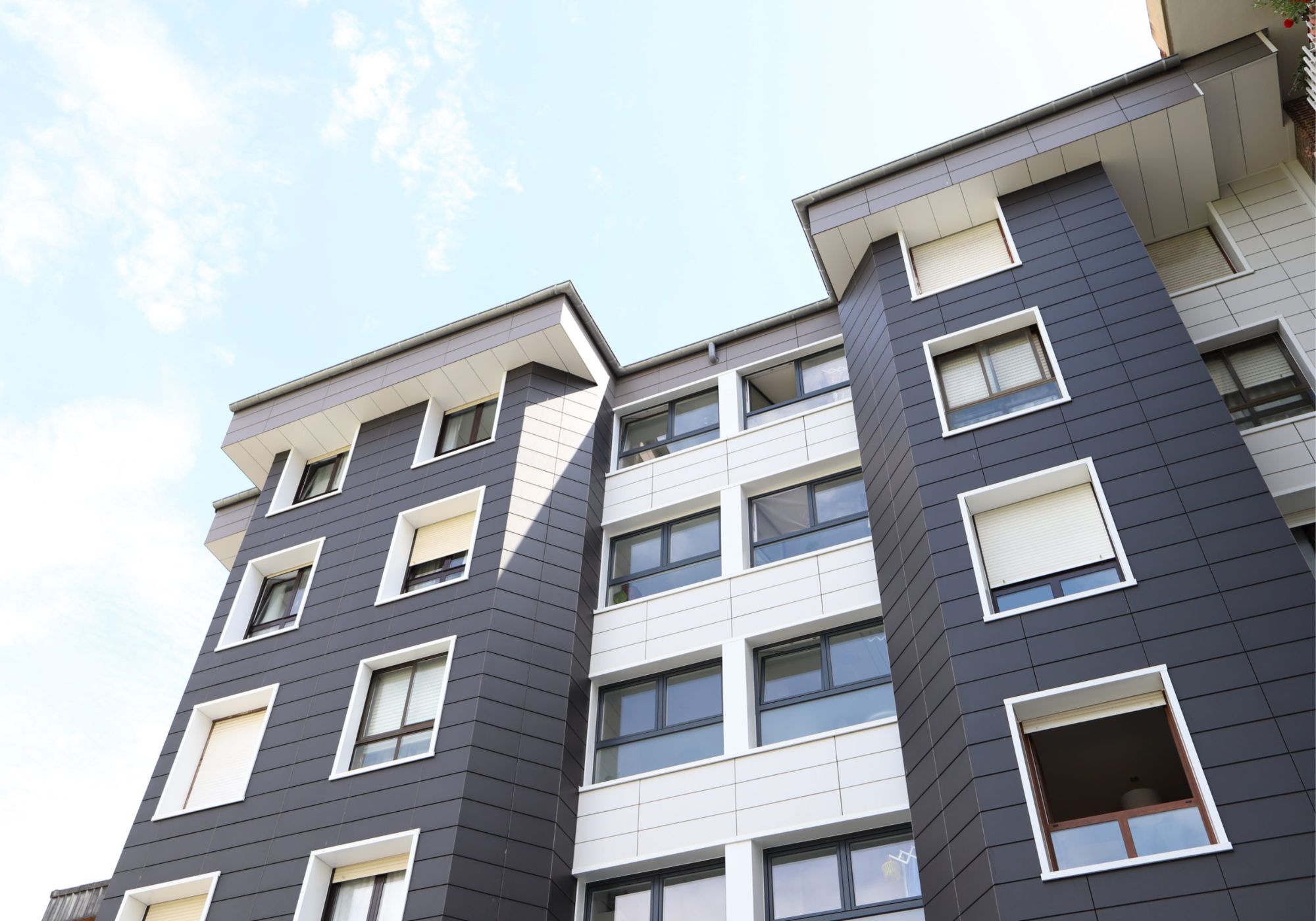
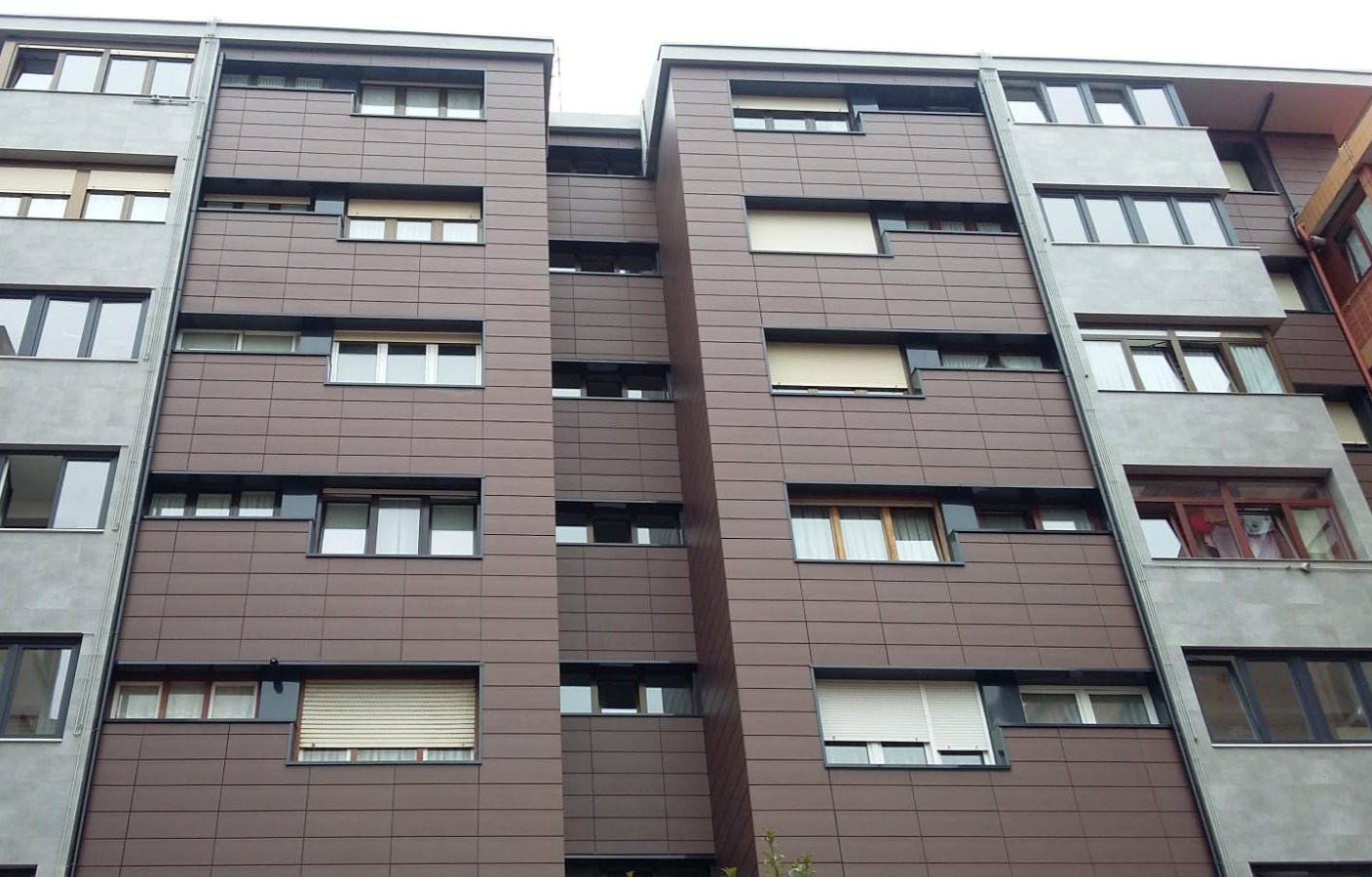
However, this strong demand coexists with a far less visible and much more concerning reality: the construction boom of the 1970s and 1980s left behind an ageing building stock that is now showing its vulnerabilities. Nearly half of all coastal buildings (49.3%) were built before 1980. These ageing residential buildings are now exposed to climate conditions they were never designed to withstand: extreme heatwaves and a relentless marine environment. Today, preventing the deterioration of this building stock and restoring indoor comfort has become one of the greatest challenges facing architecture and building rehabilitation.
🔗 MAIN GUIDE: Climate-proofing the building envelope is the most effective way to safeguard your property. Discover our comprehensive analysis of building pathologies, regulations and energy efficiency in our article The Impact of Extreme Weather on Buildings: A Rehabilitation Guide to Protecting and Enhancing Property Value.
The Challenge of Coastal Building Rehabilitation: Progress at Two Different Speeds
Despite the clear need to upgrade this ageing housing stock, the pace of rehabilitation remains insufficient and varies considerably from one region to another.
According to Spain’s Ministry of Transport and Sustainable Mobility, while residential rehabilitation permits increased by 1.8% nationwide in 2025 compared to the previous year, coastal areas present contrasting trends.
On the one hand, significant increases were recorded in the Balearic Islands (18.2%), Lugo (17.1%), Barcelona (16.3%), Cádiz (15.3%) and Alicante (12%). On the other hand, several highly exposed coastal regions experienced notable declines, including Biscay (-26.7%), Gipuzkoa (-10.8%), Almería (-7.9%) and Valencia (-7.7%).
Against this backdrop of increasing vulnerability, it is essential to adopt advanced technical strategies for coastal rehabilitation projects. These solutions must withstand an environment where humidity, salt-laden air and intense solar radiation continuously affect building structures. Traditional construction systems are increasingly unable to cope with two critical challenges:
Chloride Corrosion and Salt-Induced Deterioration
Sea breezes carry moisture laden with salt particles that penetrate the pores of conventional stuccos and paints. As the water evaporates, the salts crystallize within the building envelope, expanding in volume and causing cracks, surface spalling and the corrosion of internal steel reinforcement.
Overheating Caused by Solar Radiation and Lack of Thermal Mass
During heatwaves, façades without adequate insulation absorb large amounts of solar heat. Without sufficient thermal resistance, they transfer this heat into the building, raising indoor temperatures and significantly increasing the demand for air conditioning and cooling.
Extruded Ceramic Ventilated Façades: The Ultimate Shield Against the Marine Environment
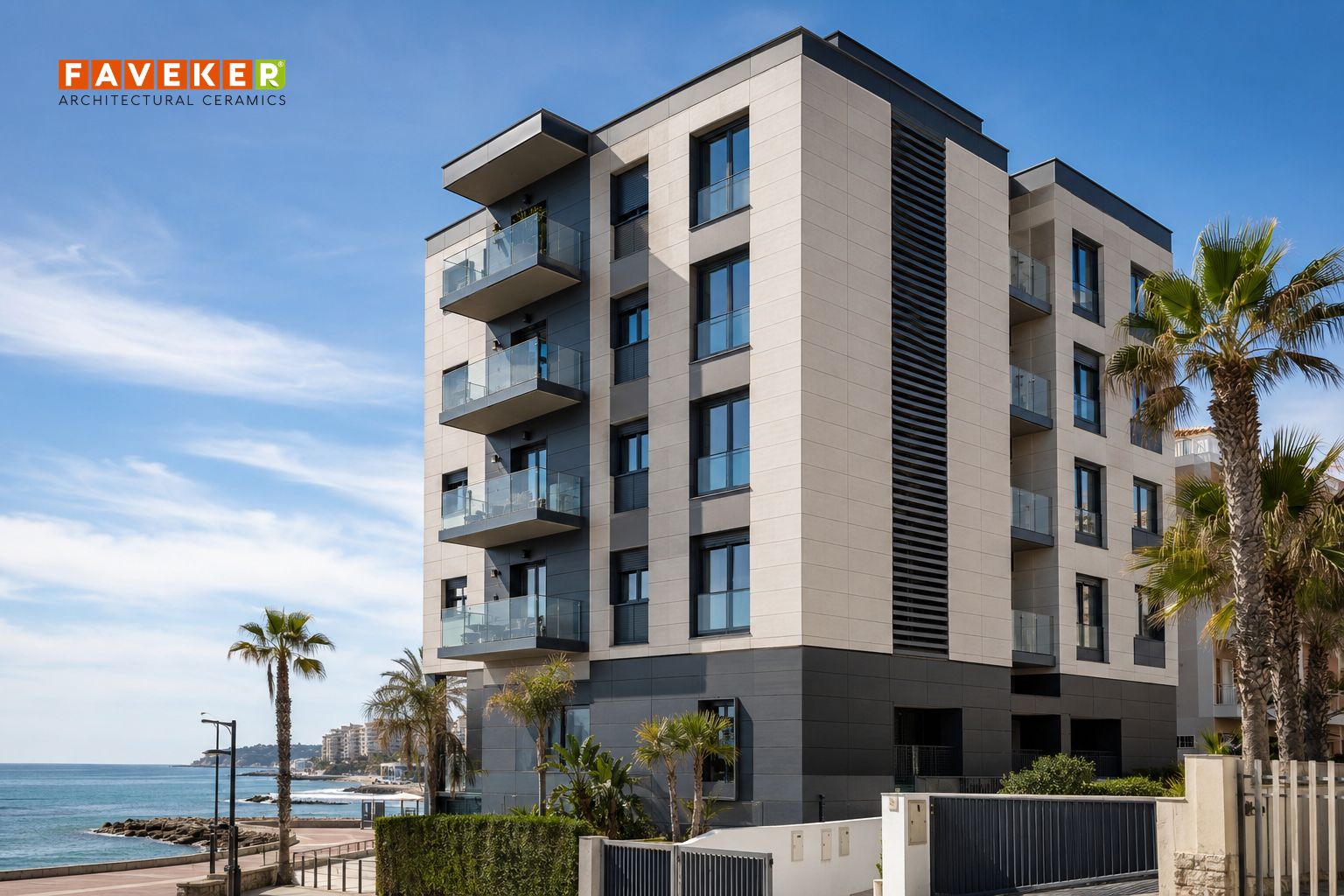
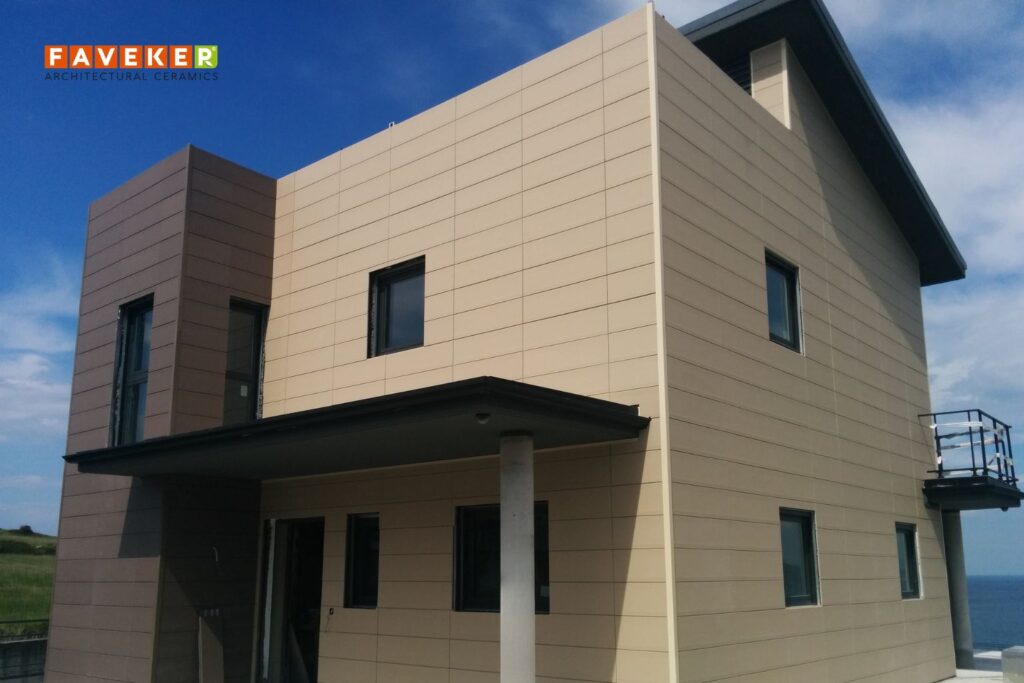
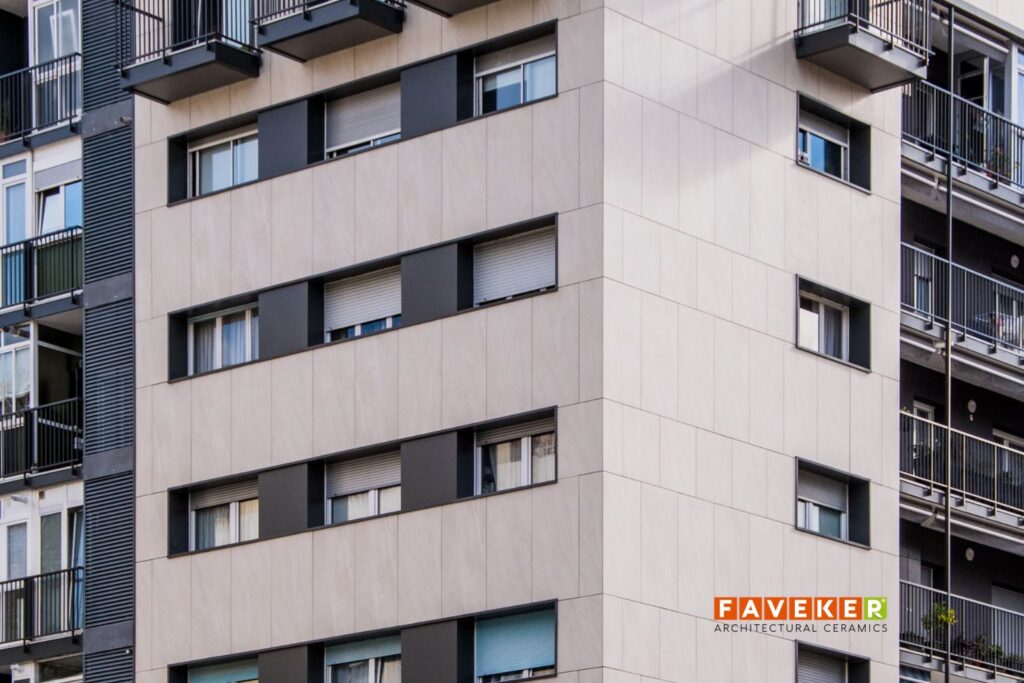
Unlike externally bonded insulation systems, which can deteriorate rapidly in coastal environments, ventilated façades with extruded ceramic cladding have become one of the most effective technical solutions for coastal architecture.
Their multi-layer design acts as a true protective envelope, combining innovation with exceptional durability:
1. Complete Protection Against Salt-Induced Deterioration
High-performance extruded porcelain stoneware has an extremely low water absorption rate—less than 0.5% by mass and 0% on its external surface thanks to the ceramic vitrification process. As an inert, non-porous architectural material, it is unaffected by salt spray and moisture. This virtually eliminates the risk of efflorescence, surface deterioration and cladding failure while providing long-term protection for the structural wall.
Ventilated Cavity and Chimney Effect to Reduce Heat Stress
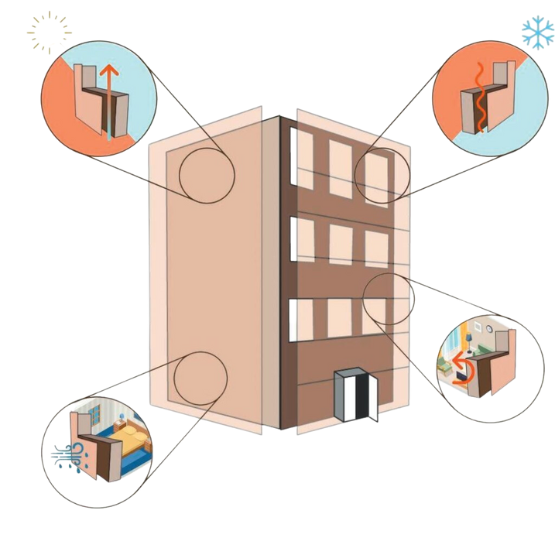
The gap between the ceramic cladding and the building creates a continuously ventilated air cavity. When solar radiation heats the external surface, the warm air inside the cavity rises naturally through the chimney effect, removing heat before it reaches the building envelope. This passive cooling mechanism, combined with the high thermal inertia of extruded ceramic, helps maintain stable indoor temperatures and significantly reduces cooling demand during periods of extreme heat.
Frequently Asked Questions About Protecting Coastal Façades
When specifying or undertaking a building rehabilitation project in a coastal environment, property owners and construction professionals often ask the following technical questions:
Why Do Traditional Façade Finishes Deteriorate So Quickly Near the Sea?
The main reason is their high porosity. Conventional stuccos and paints absorb salt-laden moisture carried by sea breezes. As the water evaporates under the sun, the salts crystallize and expand within the coating, causing internal cracking, surface spalling and premature façade deterioration. For this reason, when replacing traditional façade systems, it is essential to understand that not all ventilated façades are suitable for coastal environments. Marine conditions require a detailed technical assessment to ensure full compatibility between the cladding, the fixing system and the supporting structure, helping to prevent corrosion of the anchoring components and ensuring long-term durability.
How Does a Ceramic Ventilated Façade Help Buildings Withstand Heatwaves in Coastal Areas?
It works through two complementary physical mechanisms. First, the ventilated cavity continuously dissipates heat by means of the chimney effect, allowing warm air to rise naturally and escape before it reaches the building envelope. Second, the high density and thermal inertia of extruded porcelain stoneware slow down the transfer of external heat to the structural wall, helping to keep indoor spaces cooler through passive thermal regulation.
What Maintenance Does an Extruded Ceramic Façade Require in Marine Environments?
Very little. Unlike other façade systems that require regular waterproofing treatments or repainting, extruded ceramic is highly resistant to UV radiation and salt spray. Its non-porous surface does not fade or deteriorate easily and allows rainwater to naturally wash away dirt, significantly reducing maintenance requirements over the building’s lifetime.
Coastal Buildings Ready for the Future
The ageing of the coastal building stock, combined with increasingly extreme weather conditions, makes it essential to adopt durable, high-performance construction solutions. Rehabilitating buildings with a ceramic ventilated façade protects the structure from the harsh marine environment, minimizes long-term maintenance costs and helps maximize the property’s long-term value.
Do you have a coastal rehabilitation project? Contact us for personalized advice on designing a durable building envelope engineered to withstand the test of time.